

 Myopia management
 Dry Eye Treatment

Benefits of Optos Imaging for Early Detection of Diabetic Retinopathy
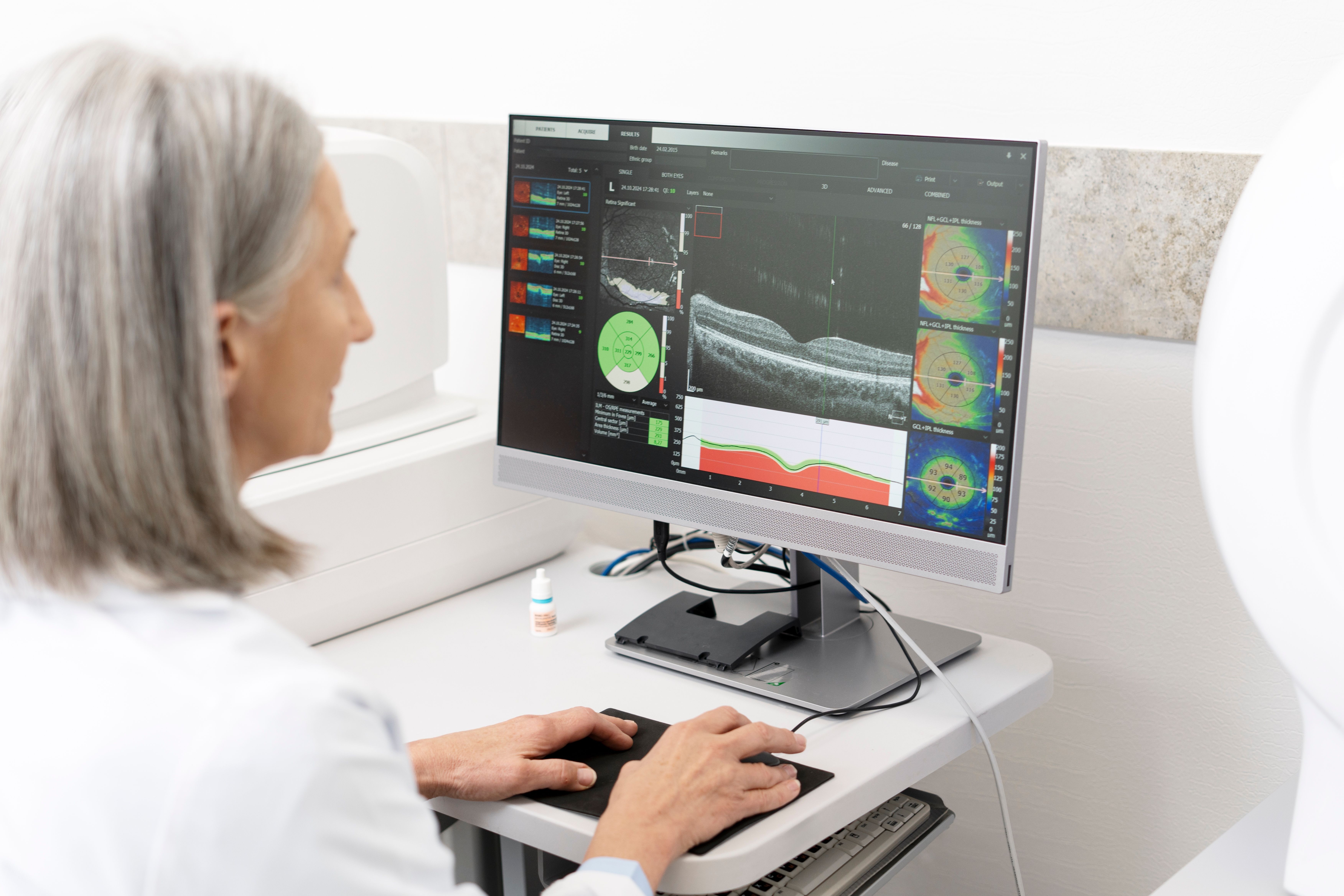
Benefits of Optos Imaging for Early Detection of Diabetic Retinopathy
One of the most serious diabetes-related eye conditions is diabetic retinopathy, a leading cause of vision loss when left undetected or untreated. Fortunately, advances in eye imaging technology now allow eye doctors to identify retinal changes earlier than ever before. One of the most powerful tools available today is Optos retinal imaging.
What Is Diabetic Retinopathy?
Diabetic retinopathy occurs when high blood sugar levels damage the tiny blood vessels in the retina. Over time, these blood vessels can leak, swell, or become blocked, leading to reduced vision or even permanent blindness.
In its early stages, diabetic retinopathy often has no noticeable symptoms. This makes regular eye exams essential for anyone with diabetes, even if their vision seems perfectly normal.
What Is Optos Retinal Imaging?
Optos imaging is an advanced, non-invasive diagnostic technology that captures ultra-widefield images of the retina. Unlike traditional retinal photography, which typically shows only a small portion of the retina, Optos can image up to 200 degrees - about 80% of the retina - in a single scan. This wide view allows eye doctors to detect subtle changes in the retina that may otherwise go unnoticed during a standard eye exam.
Wider View of the Retina
Diabetic retinopathy often begins in the peripheral areas of the retina, outside the central vision. Optos imaging provides a much broader view, helping detect early signs of disease that traditional imaging or direct examination may miss.
Earlier Identification of Retinal Changes
Optos can reveal microaneurysms, hemorrhages, abnormal blood vessels, and areas of poor circulation - key indicators of diabetic retinopathy - before vision is affected. Early detection allows for earlier intervention and better long-term outcomes.
Reduced Need for Pupil Dilation
In many cases, Optos imaging can be performed without dilating the eyes. This makes the exam faster, more comfortable, and more convenient - especially for patients who need frequent monitoring due to diabetes.
Improved Monitoring Over Time
High-resolution retinal images create a visual record of your eye health. Your eye doctor can compare images from year to year to track changes, evaluate disease progression, and adjust treatment plans as needed.
Why Early Detection Matters
When diabetic retinopathy is detected early, vision loss is often preventable. Treatments such as improved blood sugar control, medication, laser therapy, or referral to a retinal specialist can slow or stop disease progression. Once vision loss occurs, however, it may not be reversible - making early diagnosis critical.
Schedule Your Eye Exam Today
Optos retinal imaging is a powerful tool for protecting the vision of patients with diabetes. By capturing ultra-widefield images of the retina, Optos allows for earlier detection, more accurate monitoring, and better management of diabetic retinopathy. This advanced technology helps ensure that potential problems are identified before they threaten your sight.
If you have diabetes, regular eye exams are essential to maintaining long-term vision health. Texas State Optical Spring is proud to offer Optos retinal imaging as part of our comprehensive eye care services. Visit our office in Spring, Texas, or call (281) 288-7026 to book an appointment today.
Quick Links
Helpful Articles
article_category: products
article_category: psychiatry
article_category: faqs
article_category: cats
article_category: general
article_category: services
article_category: technology
article_category: dogs
article_category: restorative
article_category: vision therapy
article_category: contact lenses
article_category: health
article_category: conditions
article_category: eye surgery co-management
article_category: exotic
article_category: cosmetic
article_category: surgical procedures
article_category: aesthetics
article_category: preventative
article_category: ocular disease management
article_category: eyeglasses
article_category: eye health
article_category: large animal
[]
article_category: psychiatry
article_category: faqs
article_category: cats
article_category: general
article_category: services
article_category: technology
article_category: dogs
article_category: restorative
article_category: vision therapy
article_category: contact lenses
article_category: health
article_category: conditions
article_category: eye surgery co-management
article_category: exotic
article_category: cosmetic
article_category: surgical procedures
article_category: aesthetics
article_category: preventative
article_category: ocular disease management
article_category: eyeglasses
article_category: eye health
article_category: large animal
[]
Flowbite is an open-source library of interactive components built on top of Tailwind CSS including buttons, dropdowns, modals, navbars, and more.
Check out this guide to learn how to get started and start developing websites even faster with components on top of Tailwind CSS.

All Eyecare Services
We offer a wide variety of eye care services to the Spring community. Contact us with any questions about our services.

Keep In Touch
For non-urgent questions or to learn more about our services, contact us today!

Contact Information
Office Hours
- Monday 9:00 AM - 6:00 PM
- Tuesday 9:00 AM - 6:00 PM
- Wednesday 9:00 AM - 6:00 PM
- Thursday 9:00 AM - 6:00 PM
- Friday 9:00 AM - 6:00 PM
- Saturday 7:00 AM - 2:00 PM
- Sunday Closed
- Monday 9:00am - 6:00pm
- Tuesday 9:00am - 6:00pm
- Wednesday 9:00am - 6:00pm
- Thursday 9:00am - 6:00pm
- Friday 9:00am - 6:00pm
- Saturday 10:00am - 2:00pm
- Sunday Closed
- Monday 8:00am - 5:00pm
- Tuesday
- Wednesday
- Thursday
- Friday
- Saturday
- Sunday
© 2026 Texas State Optical Spring. All rights Reserved - Accessibility Statement - Privacy Policy - Sitemap
Managed and Designed by 