

 Myopia management
 Dry Eye Treatment

How OptiLight IPL Therapy Solves Chronic Dry Eyes: A Guide for Spring, TX Patients
How OptiLight IPL Therapy Solves Chronic Dry Eyes: A Guide for Spring, TX Patients
If artificial tears only provide temporary relief from burning, gritty, or watery eyes, the problem may involve more than a lack of moisture. Chronic dry eye often develops when inflammation or poorly functioning oil glands cause tears to evaporate too quickly.
At Texas State Optical Spring, we offer OptiLight IPL as an advanced treatment for dry eye associated with meibomian gland dysfunction. Instead of simply adding temporary lubrication, OptiLight helps address factors contributing to unstable tears and recurring discomfort.
Why Do Chronic Dry Eyes Keep Coming Back?
A healthy tear film contains water, mucus, and protective oils. The meibomian glands located along the eyelids produce the oily outer layer that helps prevent tears from evaporating too quickly.
When these glands become blocked or inflamed, the oil layer may become insufficient or unhealthy. Tears then evaporate faster, leaving the surface of the eye exposed and irritated. This condition is known as meibomian gland dysfunction, or MGD.
Spring, TX patients may notice that symptoms become worse with prolonged screen use, contact lens wear, allergies, air conditioning, or environmental exposure.
Signs MGD May Be Contributing to Your Dry Eye
Dry eye does not always feel like simple dryness. Symptoms associated with tear-film instability can include:
Burning, stinging, or gritty sensations
Red or irritated eyes
Excessive watering
Blurry or fluctuating vision
Sensitivity to light
Contact lens discomfort
Eye fatigue after reading or screen use
Frequent dependence on artificial tears
Because these symptoms can have several causes, we perform a dry eye evaluation before recommending treatment.
What Is OptiLight IPL?
OptiLight is a non-invasive Intense Pulsed Light treatment designed to manage signs of dry eye disease associated with meibomian gland dysfunction.
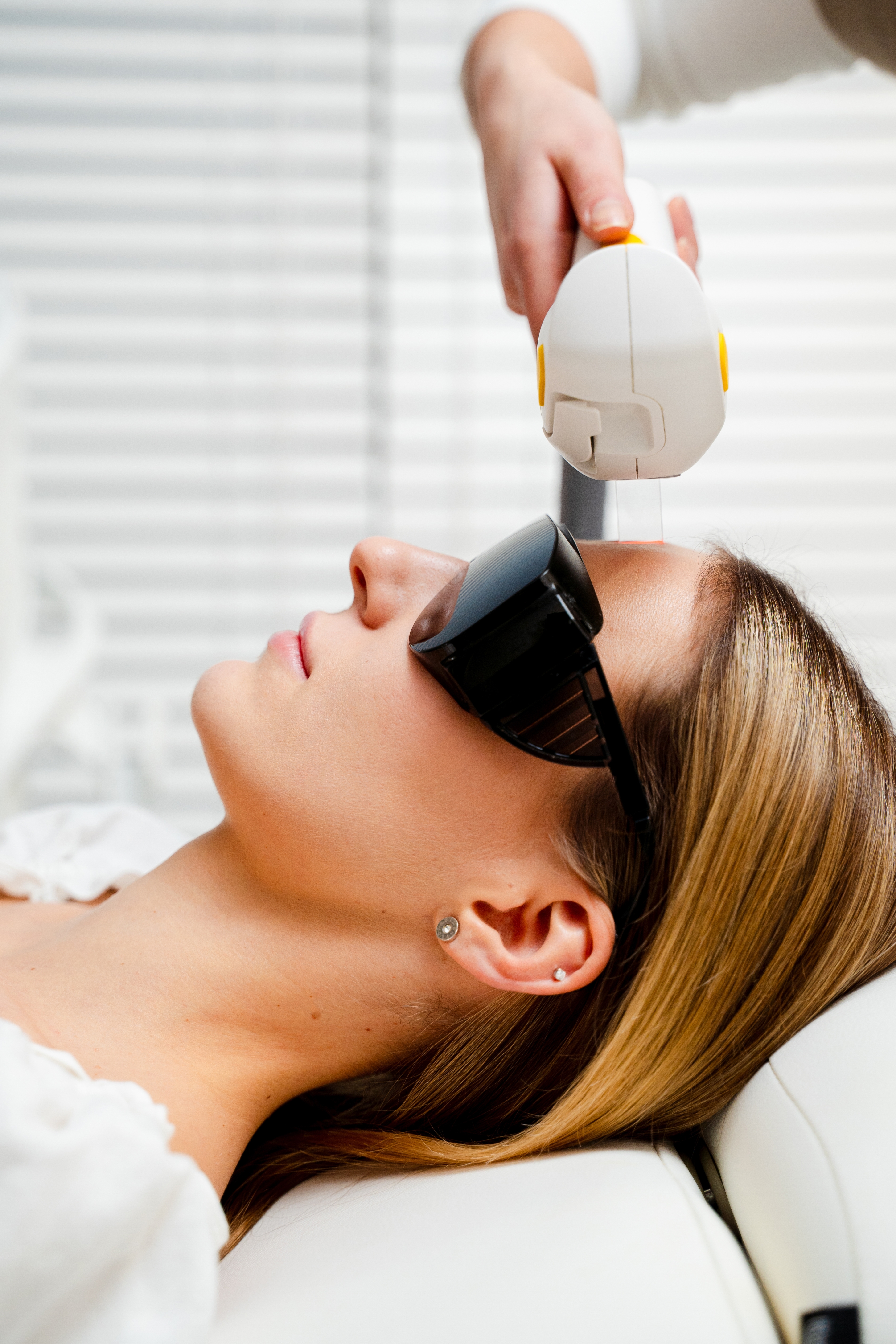
During treatment, protective shields are placed over the eyes and a cooling gel is applied to the treatment area. Controlled pulses of light are then delivered to the skin below and around the eyes.
The light energy helps reduce inflammation and supports healthier meibomian gland function. Improving the oil component of the tear film can help tears remain on the eye longer instead of evaporating rapidly.
How Is OptiLight Different From Artificial Tears?
Artificial tears can be helpful because they temporarily add moisture and lubrication. However, they may not correct inflammation or poor oil production when those issues are driving evaporative dry eye.
OptiLight takes a more targeted approach by addressing factors associated with MGD. This does not mean every patient will stop using eye drops completely. Some patients benefit from combining OptiLight with artificial tears, prescription medications, eyelid hygiene, warm compresses, gland expression, or other dry eye treatments.
The goal is to develop a plan based on why your eyes are dry instead of repeatedly masking symptoms.
How Many OptiLight Treatments Will You Need?
OptiLight is generally performed as a series rather than a single treatment. The number and timing of sessions depend on the severity of your symptoms, gland function, and response to therapy.
Treatment appointments are relatively short, and patients can typically return to normal daily activities afterward. Because dry eye is often chronic, periodic maintenance may also be recommended based on how your eyes respond over time.
Is OptiLight Right for Your Dry Eye?
Not every case of dry eye is caused by meibomian gland dysfunction. Reduced tear production, allergies, medications, eyelid problems, incomplete blinking, and other factors can also contribute.
That is why advanced dry eye testing comes first. By evaluating your tear film, eyelids, oil glands, inflammation, and ocular surface, we can determine whether OptiLight IPL or another treatment is more appropriate.
If chronic dry eye is making reading, driving, screen time, or contact lens wear uncomfortable, schedule a dry eye evaluation with Texas State Optical Spring at 19752 North Freeway, Suite B, Spring, TX 77373 by calling (281) 288-7026. We can identify what is contributing to your symptoms and determine whether OptiLight IPL can help you achieve more comfortable, stable vision.
Quick Links
Helpful Articles
article_category: products
article_category: psychiatry
article_category: faqs
article_category: cats
article_category: general
article_category: services
article_category: technology
article_category: dogs
article_category: restorative
article_category: vision therapy
article_category: contact lenses
article_category: health
article_category: conditions
article_category: eye surgery co-management
article_category: exotic
article_category: cosmetic
article_category: surgical procedures
article_category: aesthetics
article_category: preventative
article_category: ocular disease management
article_category: eyeglasses
article_category: eye health
article_category: large animal
[]
Flowbite is an open-source library of interactive components built on top of Tailwind CSS including buttons, dropdowns, modals, navbars, and more.
Check out this guide to learn how to get started and start developing websites even faster with components on top of Tailwind CSS.

All Eyecare Services
We offer a wide variety of eye care services to the Spring community. Contact us with any questions about our services.

Keep In Touch
For non-urgent questions or to learn more about our services, contact us today!

Contact Information
Office Hours
- Monday 9:00 AM - 6:00 PM
- Tuesday 9:00 AM - 6:00 PM
- Wednesday 9:00 AM - 6:00 PM
- Thursday 9:00 AM - 6:00 PM
- Friday 9:00 AM - 6:00 PM
- Saturday 7:00 AM - 2:00 PM
- Sunday Closed
- Monday 9:00am - 6:00pm
- Tuesday 9:00am - 6:00pm
- Wednesday 9:00am - 6:00pm
- Thursday 9:00am - 6:00pm
- Friday 9:00am - 6:00pm
- Saturday 10:00am - 2:00pm
- Sunday Closed
- Monday 8:00am - 5:00pm
- Tuesday
- Wednesday
- Thursday
- Friday
- Saturday
- Sunday
© 2026 Texas State Optical Spring. All rights Reserved - Accessibility Statement - Privacy Policy - Sitemap
Managed and Designed by 