

 Myopia management
 Dry Eye Treatment

Eye Exams
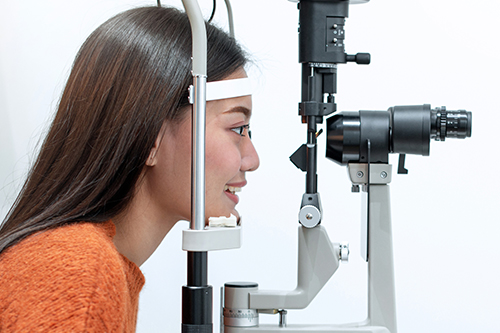
Many patients have questions about eye exams when searching for an optometrist in Spring, TX. From understanding what a comprehensive exam includes to knowing how often visits are recommended, having clear information can make it easier to prioritize your vision and overall health.
At Texas State Optical Spring, we provide comprehensive eye exams for children, adults, and seniors throughout Spring and nearby communities. Our team is committed to delivering thorough, personalized care while helping patients feel informed and confident about their eye health. Below, we answer some of the most common questions we receive about eye exams.
1. What is a comprehensive eye exam and how does it work?
General dentistry focuses on preventing, diagnosing, and treating common dental concerns. It typically includes exams, cleanings, X-rays, fillings, gum care, and guidance on daily oral hygiene. The goal is to keep teeth and gums healthy over time and catch problems early, before they require more complex treatment.
2. Who should consider scheduling eye exams in Spring, TX?
Children, adults, and seniors should all consider regular eye exams. Patients with diabetes, high blood pressure, a family history of eye disease, or frequent screen use may need closer monitoring. Our optometrist in Spring, TX, can recommend the right schedule based on your individual risk factors and lifestyle.
3. How do I know if I need an eye exam?
General dentistry is commonly recommended because it helps prevent problems that become harder and more expensive to treat later. Dentists often suggest regular exams and cleanings to reduce the risk of cavities and gum disease. Preventive visits also support early detection of oral health changes that may not cause noticeable symptoms.
4. Are eye exams commonly recommended by optometrists for preventive care?
Yes, eye exams are strongly recommended for preventive care. Regular exams help detect vision changes, glaucoma, macular degeneration, and other conditions before they progress. At Texas State Optical Spring, preventive eye care is a key part of maintaining long-term visual health for patients in Spring.
5. How are comprehensive eye exams different from basic vision screenings?
Comprehensive eye exams evaluate both vision and eye health, while vision screenings typically only measure visual clarity. Screenings may miss underlying eye diseases or focusing problems. Our eye doctor in Spring perform detailed testing to provide a complete assessment of your eyes.
6. What can I expect during an eye exam appointment in Spring, TX?
During your appointment, your optometrist will review your medical history, test your vision, assess eye coordination and focusing, and examine the internal structures of your eyes. Additional testing or digital imaging may be recommended based on your needs. The process is thorough yet comfortable.
7. How long does an eye exam usually take?
Most comprehensive eye exams take between 45 and 60 minutes. The length may vary depending on whether dilation, retinal imaging, or additional testing is needed. At Texas State Optical Spring, appointments are scheduled to allow enough time for personalized care.
8. Are eye exams safe for children, adults, and seniors?
Eye exams are safe and non-invasive for patients of all ages. Some tests, such as dilation, may cause temporary light sensitivity or mild blurry vision. These effects typically resolve within a few hours. Dr. Fazlalizadeh and her team will explain each step to ensure comfort.
9. How often should patients receive eye exams?
Most adults should have an eye exam annually. Children, seniors, and patients with certain medical conditions may need more frequent visits. Our eye care team in Spring can recommend a schedule based on your age, health history, and visual demands.
10. Do I need a consultation before scheduling an eye exam?
A separate consultation is usually not required before an eye exam. When you schedule at Texas State Optical Spring, the exam itself includes evaluation and discussion of your concerns. If you have specific symptoms, sharing them when booking helps the team plan your visit.
11. Can an eye exam detect health problems beyond vision changes?
Yes, a comprehensive eye exam can detect signs of health conditions that affect more than just your vision. During an exam, your optometrist evaluates the blood vessels, optic nerve, and retina, which can reveal early signs of diabetes, high blood pressure, and other systemic conditions. At Texas State Optical Spring in Spring, TX, eye exams are an important part of overall health monitoring.
12. Does insurance typically cover eye exams?
Insurance coverage for eye exams depends on your individual plan. Some services may be covered in full or in part, while others may require out-of-pocket payment. We accept a variety of insurance plans and can help verify your benefits prior to your appointment so you have a clear understanding of your coverage.
13. What should I bring to my eye exam appointment in Spring?
You should bring your current glasses or contact lenses, a list of medications, and any relevant medical history information. If you have vision insurance, bring your insurance card as well. Sharing details about recent vision changes or symptoms helps your eye doctor in Spring provide the most accurate evaluation possible.
14. How do I choose the right optometrist for eye exams in Spring?
Choosing the right optometrist involves looking for experience, modern diagnostic technology, and a patient-focused approach. Reading reviews and scheduling an appointment can help you feel confident in your choice. A local provider like Texas State Optical Spring offers personalized care and ongoing support.
15. Why do patients choose Texas State Optical Spring for eye exams in Spring, TX?
Patients choose Texas State Optical Spring for thorough exams, advanced diagnostic tools, and individualized care. The practice focuses on prevention, early detection, and clear communication. As a trusted optometry provider in Spring, TX, Dr. Fazlalizadeh and our team prioritizes long-term vision health for every patient.
If you have additional questions about eye exams, Texas State Optical Spring is here to help. We proudly serve patients in Spring, TX and surrounding areas and are happy to provide personalized guidance based on your needs. Contact our office at (281) 288-7026 to schedule your appointment and protect your long-term eye health.
Quick Links
Helpful Articles
article_category: products
article_category: psychiatry
article_category: faqs
article_category: cats
article_category: general
article_category: services
article_category: technology
article_category: dogs
article_category: restorative
article_category: vision therapy
article_category: contact lenses
article_category: health
article_category: conditions
article_category: eye surgery co-management
article_category: exotic
article_category: cosmetic
article_category: surgical procedures
article_category: aesthetics
article_category: preventative
article_category: ocular disease management
article_category: eyeglasses
article_category: eye health
article_category: large animal
[]
article_category: psychiatry
article_category: faqs
article_category: cats
article_category: general
article_category: services
article_category: technology
article_category: dogs
article_category: restorative
article_category: vision therapy
article_category: contact lenses
article_category: health
article_category: conditions
article_category: eye surgery co-management
article_category: exotic
article_category: cosmetic
article_category: surgical procedures
article_category: aesthetics
article_category: preventative
article_category: ocular disease management
article_category: eyeglasses
article_category: eye health
article_category: large animal
[]
Flowbite is an open-source library of interactive components built on top of Tailwind CSS including buttons, dropdowns, modals, navbars, and more.
Check out this guide to learn how to get started and start developing websites even faster with components on top of Tailwind CSS.

All Eyecare Services
We offer a wide variety of eye care services to the Spring community. Contact us with any questions about our services.

Keep In Touch
For non-urgent questions or to learn more about our services, contact us today!

Contact Information
Office Hours
- Monday 9:00 AM - 6:00 PM
- Tuesday 9:00 AM - 6:00 PM
- Wednesday 9:00 AM - 6:00 PM
- Thursday 9:00 AM - 6:00 PM
- Friday 9:00 AM - 6:00 PM
- Saturday 7:00 AM - 2:00 PM
- Sunday Closed
- Monday 9:00am - 6:00pm
- Tuesday 9:00am - 6:00pm
- Wednesday 9:00am - 6:00pm
- Thursday 9:00am - 6:00pm
- Friday 9:00am - 6:00pm
- Saturday 10:00am - 2:00pm
- Sunday Closed
- Monday 8:00am - 5:00pm
- Tuesday
- Wednesday
- Thursday
- Friday
- Saturday
- Sunday
© 2026 Texas State Optical Spring. All rights Reserved - Accessibility Statement - Privacy Policy - Sitemap
Managed and Designed by 